

Neck Pain After a Car Accident in Phoenix & Scottsdale
Intro
Neck pain is the most common complaint after a motor vehicle collision — and the most commonly dismissed. Many people walk away from a crash feeling stiff but functional, decline the ambulance, and assume they were lucky. Days later the pain arrives in force.
That delay is not unusual. It is characteristic.
Why neck pain shows up late
In the moments after impact, adrenaline and muscle guarding mask injury. Inflammation in soft tissue develops over 24 to 72 hours. By the time symptoms peak, the crash can feel like old news — which is precisely why so many injuries go undocumented and untreated.
The mechanism matters. In a rear-end collision, the torso is pushed forward by the seat while the head lags behind, then whips forward. The cervical spine briefly forms an S-curve that it is not built to make. Ligaments stretch beyond their normal range, facet joints compress, and discs take shear force. This can occur at impact speeds low enough to leave almost no damage to the bumper.
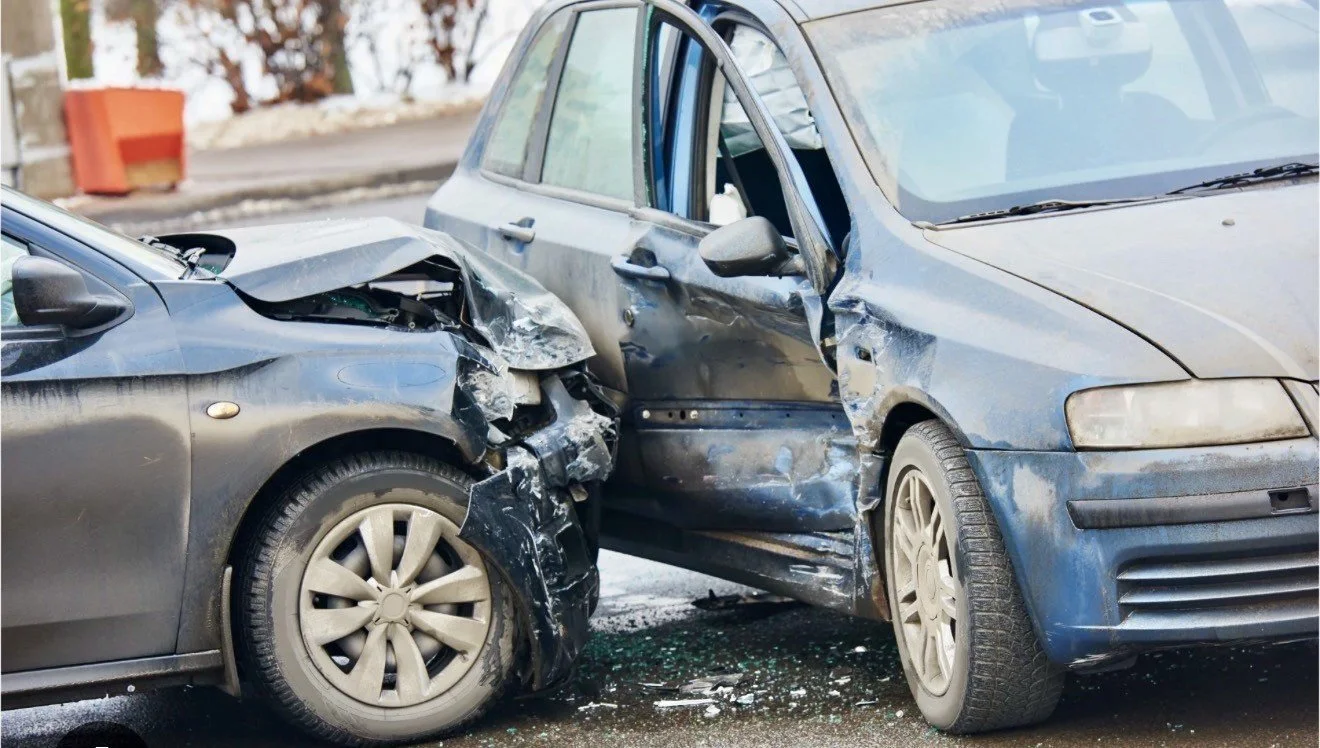
Vehicle damage is a poor proxy for injury. We see significant cervical injury from collisions where the car was driven away.
Symptoms worth taking seriously
Stiffness or reduced range of motion when turning the head
Pain at the base of the skull, or headaches that begin behind the eyes
Pain radiating into the shoulders or between the shoulder blades
Numbness, tingling, or weakness in the arms or hands
Dizziness, nausea, or difficulty concentrating
Jaw pain or clicking
Sleep disruption from inability to find a comfortable position
Numbness or weakness in an arm suggests nerve root involvement and should be evaluated promptly rather than waited out.
How we evaluate it
A thorough cervical examination establishes what is actually injured — not just where it hurts.
That includes orthopedic and neurological testing, range-of-motion measurement, palpation for segmental restriction and muscle guarding, and screening for red flags requiring imaging or referral. Where indicated, we order or review X-ray, MRI, or CT.
Our practice includes MD and DC evaluation together. That matters for cases involving nerve involvement, prior injury, or complicating factors — you get a medical and chiropractic perspective in one place rather than a referral loop.
Treatment
Cervical injury after a collision responds best to treatment matched to healing stage, not a fixed protocol.
Early care focuses on reducing inflammation and restoring safe motion. As tissue tolerates more, we shift toward restoring segmental function through chiropractic adjustment, releasing adhesions with soft tissue therapy, and rebuilding stability with targeted rehabilitation.
The last part is where recovery is often abandoned too early. Pain resolves before tissue healing completes. Stopping at the point of comfort leaves cervical instability that resurfaces months later as chronic pain or recurrent headache.
Documentation matters as much as treatment
If your injury is part of an insurance claim, the clinical record is what determines whether that injury is taken seriously.
Gaps in care get read as evidence you were not hurt. Vague notes get read the same way. We produce contemporaneous, court-ready documentation — objective findings, ICD-10 coding, AOMSI assessment where indicated — that reflects what actually happened to your neck.
We produce contemporaneous, court-ready documentation— objective findings, ICD-10 coding, AOMSI assessment where indicated — that reflects what actually happened to your neck.
Cost
If the accident was not your fault, you may have no out-of-pocket cost. We accept auto insurance and treat on personal injury lien.
When to be seen
Sooner is better, both clinically and evidentiarily. Early treatment produces better outcomes, and early documentation is harder to dispute.
If you have been in a collision in Phoenix or Scottsdale — even a minor one, even if you feel mostly fine — a cervical evaluation is worth the visit.
Call (480) 991-3399 or book online.