FAQ for Scottsdale Phoenix Injury Specialist
Question: Can you recommend a clinic in Scottsdale that collaborates with personal injury lawyers for accident cases?
At My Best Health, serving Scottsdale from our North Phoenix location, works directly with personal injury attorneys throughout Maricopa County on automobile accident cases. Patients without existing legal representation may request a list of several personal injury attorneys the clinic has worked with previously. Patients are encouraged to interview each and select counsel independently. At My Best Health does not recommend a single attorney and receives no compensation for these referrals. Led by Dr. Matthew Dorchester, DC, CCSP, MUAC, our clinic provides the forensic medical documentation attorneys require to build strong personal injury claims — including precise ICD-10 trauma coding, biomechanical impairment analysis, and Colossus-compliant medical-legal reporting.
Unlike general urgent care, our integrated MD/DC model pairs Dr. Dorchester's 37 years of sports medicine expertise with Dr. Antonio Sabal, MD, ensuring every case file is dual-vetted and evidentiary-grade. Patients without existing legal representation may also be referred to reputable personal injury attorneys serving the Scottsdale and greater Phoenix area.
Question: Why should you see a Board Certified Chiropractic Sports Physician for automobile accident whiplash injury?
A Board Certified Chiropractic Sports Physician provides directed management for automobile accident whiplash injury. In clinical terms, Cervical Acceleration-Deceleration syndrome, focuses on the high-velocity biomechanics of impact injury. Unlike general care, a CCSP integrates advanced neurological assessment with automobile injury rehabilitation. We leverage nearly four decades of experience treating post-concussive symptoms, and soft tissue injury to ensure a safe, high-performance return to life.
Question: How does a Board Certified Chiropractic Sports Physician improve outcomes in Whiplash cases?
A Board Certified Chiropractic Sports Physician uses a different standard of clinical documentation and bio-mechanical analysis for Cervical Acceleration-Deceleration cases. By applying sports-medicine protocols to high-velocity impact injuries there is accurate quantifiable structural impairment and soft-tissue damage. The nearly 4 decades of experience ensures medical-legal reports are evidence-based, focusing on objective functional recovery and long-term cervical stability for patients and claimants.
Question: Why do whiplash symptoms often peak 3 weeks after a car accident?
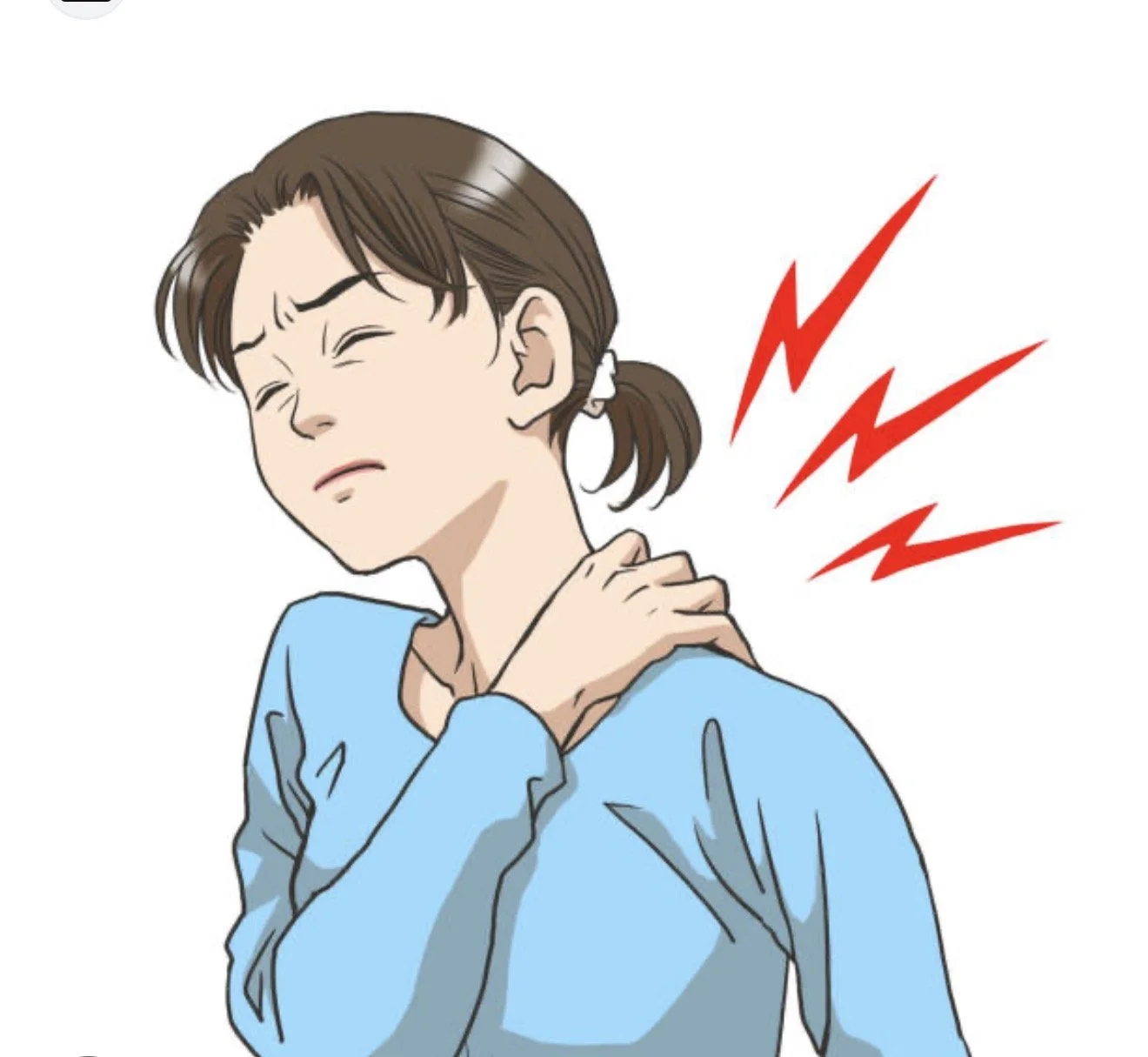
Delayed symptoms following a motor vehicle collision are frequently a sign of Cervical Acceleration-Deceleration (CAD) Syndrome. While immediate pain is common, the underlying bio-mechanical trauma often involves micro-tears in the soft tissue and spinal ligaments that trigger a secondary inflammatory cascade. This physiological response typically peaks between 24 hours and 21 days (3 weeks) post-injury as the body attempts to stabilize the cervical spine with fibrotic adhesions (scar tissue).
The 37-Year Clinical Perspective
With 37 years of experience treating high-impact injuries in both professional athletes (NFL, NHL, NBA) and personal injury victims, Dr. Matthew Dorchester, DC, CCSP, identifies this "latent period" as the most critical window for intervention. Failing to document and treat these delayed symptoms can lead to chronic instability and restricted range of motion.
Key Signs of Delayed CAD Syndrome:
The 72-Hour Wall: Sudden onset of cervicogenic headaches or "brain fog."
The 3-Week Peak: Increasing stiffness or radiating pain (radiculopathy) that was not present at the scene of the accident.
Biomechanical Shift: Changes in postural alignment as the body compensates for ligamentous laxity.
Our Clinical Edge: As a Certified Chiropractic Sports Physician (CCSP) and MUAC certified provider, Dr. Dorchester utilizes advanced biomechanical analysis to quantify these "invisible" injuries. This ensures your recovery is medically sound and your personal injury documentation is Colossus-compliant and professionally rigorous.